Buying a Business vs Starting One: Which Is the Smarter Path to Financial Freedom in 2026?
Buying a business vs starting one — which path is smarter in 2026? Learn the pros, risks, and why more professionals are choosing business acquisition over startups.
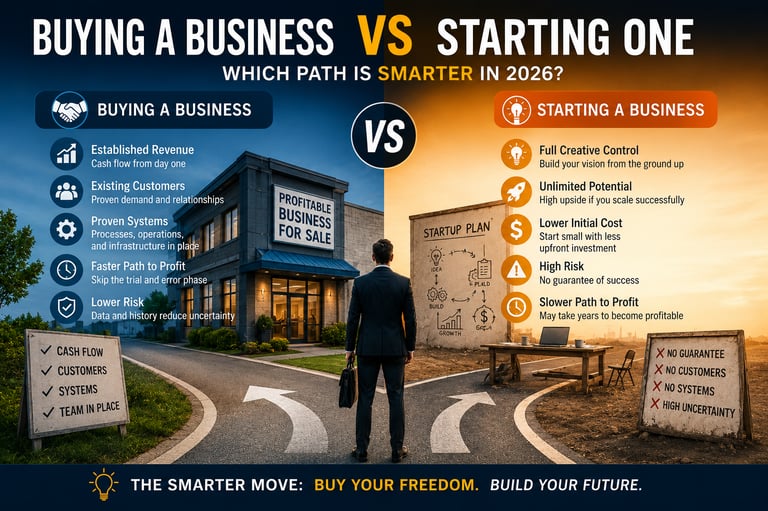

For decades, entrepreneurship was heavily romanticized.
People were told to:
Start a company from scratch
Follow their passion
Build a startup
Hustle nonstop
Take massive risks
But in 2026, many professionals are discovering a different path to ownership:
Buying Existing Businesses
Instead of building from zero, entrepreneurs and corporate professionals are acquiring businesses that already have:
Customers
Revenue
Systems
Employees
Market demand
Cash flow
As economic uncertainty, layoffs, burnout, and AI disruption continue reshaping the workforce, more professionals are asking:
“Is buying a business smarter than starting one?”
For many people, the answer is increasingly yes.
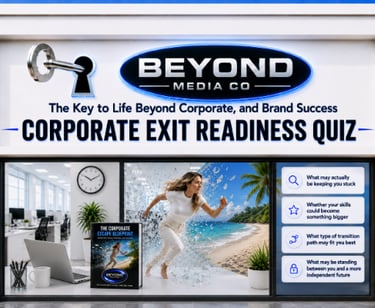
Take the Free Corporate Exit Quiz
Discover whether business ownership is the right path for you.
Why More Professionals Are Exploring Business Ownership
Traditional career paths no longer feel as secure as they once did.
Even high-income professionals are facing:
Layoff risks
Burnout
Limited income scalability
Lack of ownership
Reduced flexibility
Corporate restructuring
At the same time, ownership is becoming increasingly attractive.
People want:
More control
Predictable income
Long-term wealth
Flexibility
Equity
Financial independence
The challenge is choosing the right path.
Should you:
Start a business from scratch?
orBuy an existing one?
Understanding the difference is critical before making a major financial decision.
What Does Starting a Business Mean?
Starting a business means building everything from zero.
That includes:
Creating the brand
Finding customers
Building systems
Testing products or services
Hiring employees
Generating revenue
Creating marketing systems
This path offers complete creative control, but it also comes with significant uncertainty.
Most startups face challenges such as:
Inconsistent cash flow
Customer acquisition struggles
High marketing costs
Operational inefficiencies
Long profitability timelines
While some startups become highly successful, many fail before becoming sustainable.
What Does Buying a Business Mean?
Buying a business means acquiring a company that already exists.
Instead of building from scratch, you purchase:
Existing revenue
Operational systems
Customer relationships
Brand presence
Staff and infrastructure
Market positioning
Rather than spending years trying to validate an idea, you step into a business that already has proof of concept.
This is one reason business acquisition is becoming increasingly attractive to professionals leaving corporate careers.
The Biggest Difference: Risk vs Predictability
The core difference between starting and buying a business comes down to predictability.
Starting a Business
You are testing:
Product-market fit
Customer demand
Pricing
Branding
Operations
Everything is uncertain.
Buying a Business
You already have:
Financial history
Existing customers
Revenue patterns
Operational systems
Market validation
That does not eliminate risk entirely, but it may reduce many unknown variables.
For professionals transitioning from corporate careers, that predictability can be extremely valuable.
Why Buying a Business Is Growing Rapidly in 2026
A major economic shift is happening right now.
Millions of business owners are approaching retirement age.
At the same time:
More professionals want ownership
Corporate instability is rising
AI is disrupting industries
Burnout is increasing
This creates a powerful opportunity:
Existing businesses need buyers
Professionals are seeking strategic exits from corporate life
That overlap is fueling the rise of acquisition entrepreneurship.
The Advantages of Starting a Business
Despite the risks, starting a business does offer several advantages.
1. Complete Creative Freedom
You control:
Branding
Products
Vision
Company culture
Business model
For highly creative entrepreneurs, this can be exciting and fulfilling.
2. Lower Initial Purchase Costs
Some startups can begin with relatively low upfront investment compared to buying established companies.
This depends heavily on the industry and business model.
3. Potential for Massive Scale
Certain startups can scale rapidly if:
Timing is right
Market demand is strong
Funding is available
Execution is effective
This is why many tech entrepreneurs still pursue startup models.
The Disadvantages of Starting a Business
1. High Failure Rates
Many startups fail because they:
Lack demand
Run out of capital
Struggle with marketing
Cannot achieve profitability
Building from zero is extremely difficult.
2. Slow Revenue Growth
Most new businesses take time to generate meaningful cash flow.
That creates financial pressure for many founders.
3. Constant Uncertainty
Startup founders often face:
Financial instability
Emotional stress
Operational chaos
Customer acquisition pressure
This uncertainty is one reason many professionals prefer acquisition models instead.
The Advantages of Buying a Business
1. Existing Cash Flow
This is one of the biggest advantages.
Instead of hoping revenue arrives someday, acquired businesses may already generate income immediately.
That creates:
Faster transitions
Greater stability
Reduced pressure
2. Proven Operational Systems
Existing businesses often already have:
Employees
Processes
Vendors
Marketing channels
Customers
This allows owners to focus more on optimization and growth instead of survival.
3. Easier Financing Opportunities
Established businesses may qualify for:
SBA loans
Seller financing
Investor partnerships
Lenders are often more comfortable financing proven businesses than brand-new startups.
4. Faster Path to Ownership
Buying a business may accelerate:
Income generation
Equity creation
Wealth building
Operational leverage
For professionals seeking a structured corporate exit strategy, this can be highly attractive.
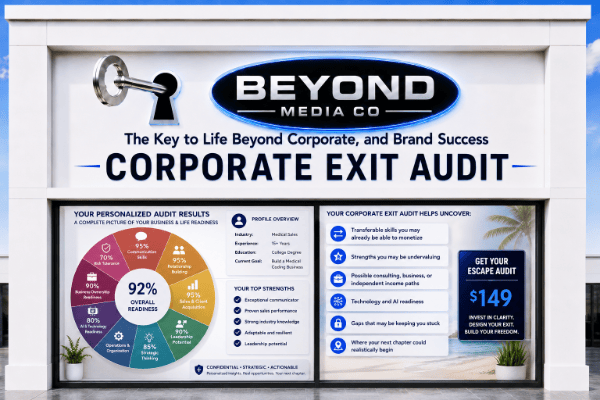
Get Your Corporate Exit Readiness Audit
Discover whether buying a business aligns with your goals, financial position, and long-term strategy.
The Disadvantages of Buying a Business
Buying a business is not risk-free.
Potential challenges include:
Poor financial records
Operational inefficiencies
Existing liabilities
Overpaying for the business
Cultural issues with employees
That is why due diligence is critical.
A smart acquisition strategy requires:
Financial analysis
Operational review
Market evaluation
Strategic planning
Who Should Consider Starting a Business?
Starting a business may make sense if you:
Want complete creative control
Have a unique product idea
Enjoy building from zero
Are comfortable with uncertainty
Have strong risk tolerance
Some entrepreneurs thrive in startup environments.
Who Should Consider Buying a Business?
Buying a business may make sense if you:
Want predictable cash flow
Prefer systems over chaos
Have management experience
Want a faster path to ownership
Value operational stability
Are leaving corporate life strategically
This is one reason many executives and professionals are now exploring acquisition entrepreneurship.
Why Professionals Are Choosing Acquisition Entrepreneurship
Corporate professionals often excel at:
Leadership
Systems management
Operations
Financial oversight
Team development
Those skills translate extremely well into managing and scaling existing businesses.
Instead of learning entrepreneurship entirely from scratch, professionals can apply their existing experience directly into ownership.
Book a Founder Strategy Session
Want a personalized roadmap toward business ownership?
Our Founder Strategy Session helps professionals:
Explore acquisition opportunities
Understand financing
Build transition strategies
Avoid costly mistakes
Create long-term ownership plans
⬇️Book a Strategy Call⬇️


The Future May Belong to Owners
The economy is changing rapidly.
Traditional employment no longer guarantees:
Stability
Predictability
Long-term security
As a result, ownership is becoming increasingly important for professionals seeking:
Income control
Financial leverage
Time freedom
Long-term wealth creation
For many people, buying a business offers a more strategic and stable path than building one from scratch.
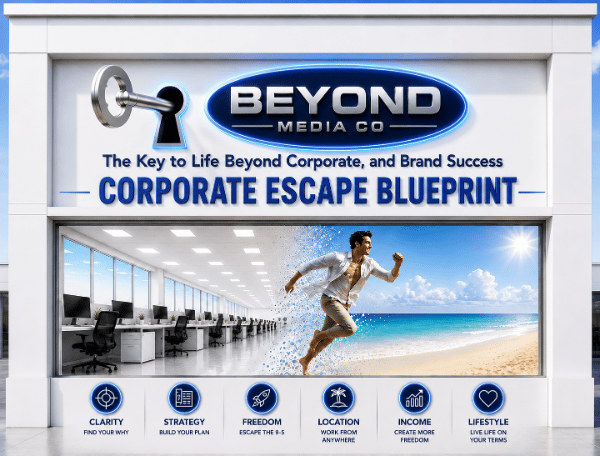
Explore Corporate Escape Blueprints
Ready to explore proven business acquisition pathways?
Our Corporate Escape Blueprints help professionals:
Understand acquisitions
Build ownership strategies
Evaluate opportunities
Create transition systems
Accelerate business ownership
⬇️ Corporate Escape Blueprints ⬇️
What Happens After You Buy a Business?
Ownership is only the beginning.
Growth requires:
SEO
Lead generation
Content marketing
Media visibility
Brand authority
Customer acquisition systems
Businesses that dominate online visibility often create long-term competitive advantages.
That is why scalable growth systems matter after acquisition.
Growth & Media Services
We help business owners grow through:
SEO
YouTube strategy
Content systems
Lead generation
Brand positioning
Media growth
⬇️Growth & Media Services ⬇️
Final Thoughts
Starting a business and buying a business are both paths toward ownership.
But they involve very different levels of:
Risk
Predictability
Structure
Financial stability
Starting from scratch offers creative freedom but often comes with higher uncertainty.
Buying an existing business may provide:
Existing revenue
Operational systems
Faster cash flow
Reduced uncertainty
A more strategic transition into ownership
That is why more professionals are now exploring business acquisition as a smarter path toward financial freedom in 2026.
Frequently Asked Questions
Is buying a business better than starting one?
It depends on your goals and risk tolerance. Buying a business may provide more predictable cash flow and operational stability.
Is buying a business less risky than starting one?
An established business may reduce certain risks because it already has customers, revenue, and systems in place.
Can I buy a business while working full-time?
Yes. Many professionals explore acquisitions while still employed to reduce financial pressure during the transition.
How do people finance business acquisitions?
Common financing methods include SBA loans, seller financing, partnerships, and investor groups.
Why are professionals buying businesses in 2026?
Many professionals are seeking ownership, income control, reduced dependency on employers, and long-term financial leverage.